
Why Skilled Roofers Matter When Repairing Complex Roofing Systems
Roofs can vary considerably in their construction, condition and overall complexity. While some properties have relatively straightforward pitched or flat designs, others incorporate several roof levels, valleys, dormers, chimneys, extensions, rooflights and adjoining structures. When defects develop within these more complicated arrangements, identifying the source and determining an appropriate repair can require considerable practical knowledge.
Skilled roofers play an important role problems are not always limited to the area where visible symptoms appear. Water entering around one section, for example, may travel along structural components before appearing as dampness somewhere else inside the building. Treating only the visible symptom can therefore leave the original defect unresolved.
This is relevant to homeowners, landlords, surveyors and local authorities responsible for residential and commercial properties. Buildings throughout Brighton provide particularly varied examples, from traditional terraced properties and period buildings to converted premises, modern developments and commercial units. Coastal weather can add another consideration, as roofs may regularly experience wind-driven rain and exposed conditions.
Understanding Why Some Roof Repairs Become Complicated
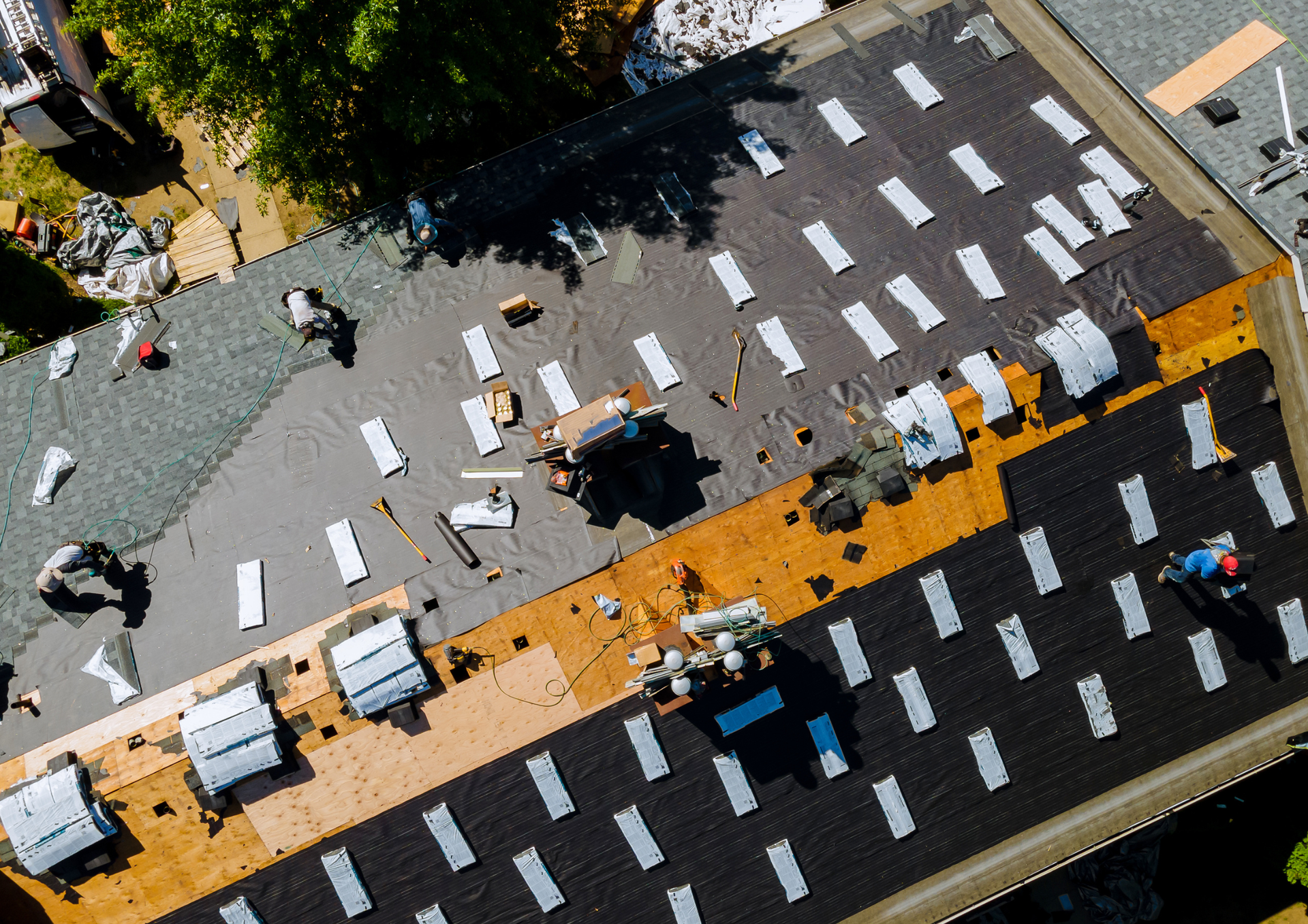
A roof may appear relatively simple when viewed from ground level, but its construction can involve numerous interconnected elements. Coverings, battens, membranes, flashing, valleys, ridges, gutters and structural components all contribute to keeping the building protected from the weather. A problem affecting one component can consequently influence another.
Age is one factor that can increase complexity. Older properties may have undergone several alterations or previous repairs during their lifetime. An extension may have been added, a chimney removed, rooflights installed or original materials replaced. These changes can create junctions between different materials and construction methods that require careful assessment.
Brighton has a particularly varied building stock. Traditional terraces, period homes, converted properties and buildings close to the coast can each present different roofing challenges. Extensions and loft alterations can further change the original roof arrangement, creating additional valleys, abutments and drainage routes.
Finding the actual source of a leak can also be difficult. Water rarely behaves in a completely predictable way once it passes through an external covering. It can follow rafters, membranes or other surfaces before becoming visible inside a property. A damp patch on a ceiling therefore does not necessarily indicate that the defect sits immediately above it.
This is one reason property owners searching for roofers near me may benefit from considering practical experience rather than concentrating solely on how quickly someone can attend. Complicated defects require methodical investigation so that the visible signs can be connected with the underlying cause.
Accessibility can also affect how work is approached. Roof sections behind parapets, around dormers or beside extensions may be difficult to inspect from ground level. Commercial premises can have plant, ventilation equipment or other installations occupying roof areas, while residential buildings may have conservatories or neighbouring structures that restrict access.
Complexity does not necessarily mean that extensive work will always be required. Sometimes a relatively small defect can create significant symptoms. The important point is identifying that defect accurately before deciding what should be repaired.
Key Areas That Require Careful Assessment
A detailed assessment can help establish how individual components are performing and whether several defects are contributing to the same problem. Complicated roofs often contain numerous vulnerable junctions, making a systematic approach particularly valuable.
Important areas to consider include:
- Valleys and drainage channels: Valleys collect water from adjoining roof slopes and direct it towards the drainage system. Debris, deterioration or movement can interfere with this process and contribute to water penetration.
- Chimney junctions and flashing: Where masonry passes through a roof covering, carefully formed weatherproof junctions are required. Deteriorated flashing, movement or damaged surrounding materials can allow moisture to enter.
- Dormers and roof extensions: These structures introduce additional corners, vertical surfaces and changes in roof pitch. Each junction needs to manage rainfall effectively.
- Ridges and hips: Exposed sections can experience considerable weathering. Movement or deterioration may affect the surrounding covering as well as the ridge or hip itself.
- Rooflights: The perimeter of a rooflight must integrate correctly with the surrounding materials. Problems may develop around flashing, drainage channels or adjacent coverings.
- Flat and pitched roof connections: Extensions sometimes create points where different roof types meet. Water management at these transitions needs careful consideration because each surface may drain differently.
- Parapets and abutments: Roofs that meet walls require properly detailed junctions. Cracks, deteriorated materials or drainage problems around these areas can allow water to penetrate.
- Gutters and outlets: A sound roof still depends on water being able to leave the surface efficiently. Restricted outlets or poorly functioning drainage can cause water to accumulate in vulnerable locations.
When property owners compare roofing companies, it can therefore be useful to consider whether the proposed assessment looks beyond the most obvious damaged tile or visible damp patch. Understanding how the complete roof arrangement works can help reveal problems that might otherwise be overlooked.
The condition of surrounding materials also matters. Replacing one damaged component without examining adjoining areas may provide only a partial picture. If nearby materials have deteriorated at a similar rate, they may also require attention.
Weather conditions can provide useful clues. A problem that appears only during heavy wind-driven rain may indicate a different weakness from one that occurs during prolonged rainfall. Similarly, moisture that becomes noticeable after particularly severe weather may point towards exposed junctions or displaced coverings.
In coastal areas such as Brighton, exposure can vary substantially even between nearby properties. A building close to the seafront may experience different conditions from one in a more sheltered residential street. Building height, orientation and neighbouring structures can all affect how wind and rain reach the roof.An assessment should therefore consider the individual property rather than relying on assumptions based solely on roof type.
Why Experience Makes a Difference During Complex Work
Once the likely cause has been identified, the repair itself needs to account for the existing construction. Complicated work is often less about replacing a single component and more about ensuring that several adjoining elements continue to function together afterwards.
Experience can be particularly valuable when:
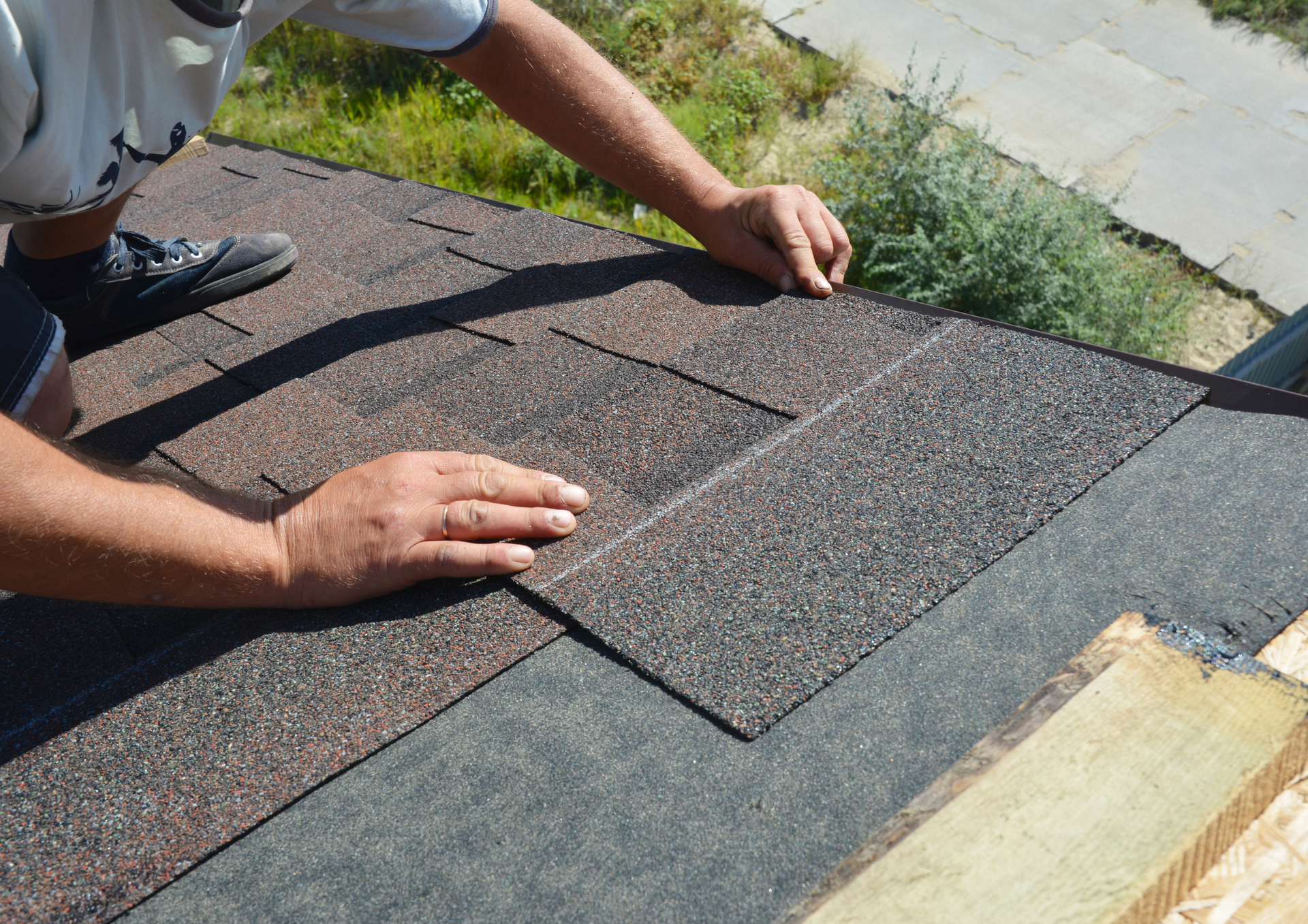
- Several materials meet in one area. A repair around a chimney, dormer or extension may involve tiles or slates, flashing, masonry and underlying materials. Each component needs to work alongside the others.
- Previous repairs are present. Older buildings may contain evidence of several earlier interventions. Understanding what has been changed can help determine whether an existing repair remains suitable or is contributing to the current problem.
- The source of water penetration is unclear. Visible moisture may be some distance from the external defect. A logical inspection process can help trace possible routes instead of making assumptions.
- The roof contains several levels. Different heights can create additional drainage points, abutments and areas where water from an upper roof reaches a lower section.
- Access is restricted. Extensions, conservatories, narrow spaces and neighbouring properties can influence how particular areas can be reached and inspected.
- Structural movement is suspected. Cracking, uneven roof lines or recurring displacement may indicate that the visible covering is not the only element requiring attention.
- Drainage is contributing to the problem. Repairs may need to consider how water travels across the complete roof rather than concentrating exclusively on the damaged area.
- The building has unusual detailing. Period properties and altered buildings can contain features that differ from straightforward modern construction and require a more considered approach.
Established local roofing companies may also have practical familiarity with common building styles and environmental conditions in their area. In Brighton, this can be helpful when working with older terraces, converted buildings, properties with multiple roof levels and structures exposed to coastal weather.
Professional judgement also matters when deciding how much work is appropriate. A complicated-looking problem does not automatically justify replacing large sections of a roof. Equally, repeatedly repairing one small area may not be sensible if deterioration extends into adjoining components.
A proportionate approach involves establishing the likely cause, understanding the surrounding condition and then determining what work is reasonably required.
Communication is another important part of this process. Property owners should be able to understand what has been identified, which areas require attention and why a particular repair method is being proposed. Photographs or observations from the inspection can sometimes make complicated issues easier to understand.
For landlords, surveyors and local authorities responsible for multiple buildings, clear information can also support maintenance planning. Knowing whether a defect appears isolated or forms part of broader deterioration can help determine priorities across a property portfolio.
Planning Repairs for Better Long-Term Roof Performance
A successful repair should address the current problem while considering how the surrounding roof is likely to perform afterwards. This does not mean replacing components unnecessarily. Instead, it means looking at the repaired area as part of the wider system.
Drainage deserves particular attention. Rainwater needs a continuous route from the roof surface towards gutters, outlets and appropriate drainage points. Changes to one area should not unintentionally interfere with that route. This becomes particularly important on roofs containing valleys, extensions or several different levels.
Compatibility between old and new materials should also be considered. Complicated buildings may contain components installed at different times, and a repair needs to integrate appropriately with what remains in place.
For owners looking for local roofers, familiarity with regional property types can be useful when discussing these practical considerations. However, each building should still be assessed individually because two properties of a similar age can have very different maintenance histories.
Regular observation after work has been completed can also be worthwhile. Property owners do not need to inspect difficult roof areas themselves, but they can remain alert to changes visible from safe positions. New staining, overflowing drainage, displaced materials or recurring internal moisture can indicate that further investigation may be appropriate.
Maintenance records are particularly useful for landlords, commercial property managers, surveyors and local authorities. Keeping details of previous repairs, inspections and alterations can provide valuable background information when future work is required. This can reduce uncertainty about when particular components were installed or changed.
Seasonal conditions should also form part of maintenance planning. Strong winds, prolonged rainfall and colder periods can reveal weaknesses that may not be noticeable during mild weather. Brighton's coastal position means exposed buildings can experience demanding conditions, although similar principles apply to properties throughout the UK.
Vegetation and surrounding structures can influence performance as well. Trees can contribute leaves and organic material to drainage systems, while neighbouring buildings may create sheltered areas or unusual patterns of water run-off. Extensions and later alterations can change how water moves around a property compared with the original design.
Owners should therefore think about the roof as a connected system rather than a collection of separate components. Coverings, junctions, drainage and supporting elements all contribute to overall performance.
Good planning can also help reduce repeated disruption. Where several related defects are identified, understanding how they interact allows work to be organised logically. This is particularly valuable for commercial buildings, rented accommodation and publicly managed properties where access arrangements may need to be coordinated carefully.
A careful approach begins with understanding the complete roof arrangement. Valleys, chimneys, dormers, rooflights, extensions, drainage systems and changes in level should all be considered where relevant. The age of the property, its maintenance history and exposure to local weather can provide additional context.
This is particularly important in Brighton, where residential and commercial buildings range from traditional properties to modern developments and heavily altered structures. Coastal exposure can add another consideration, but the underlying principle applies anywhere in the UK: every building should be assessed according to its own construction and condition.
Experienced roofers can help identify how different parts of the structure interact and determine which areas require attention. Homeowners, landlords, surveyors and local authorities can also benefit from keeping maintenance records, observing changes and obtaining clear explanations before substantial work begins. A well-considered repair should address the underlying problem while respecting the way the surrounding structure functions.
Local Roofing Brighton provides practical support for customers dealing with straightforward and complicated problems across residential and commercial properties. We understand that every building is different, which is why the condition, construction, previous alterations and individual characteristics of the roof should be considered before work is planned.
Our approach focuses on clear communication and careful assessment. Experienced roofers can examine relevant sections of the structure, consider how different components interact and help identify the likely cause of visible problems rather than concentrating only on their symptoms.
Whether a property contains multiple roof levels, valleys, chimneys, extensions, rooflights or difficult junctions, we aim to provide a considered approach suited to the individual building. Our goal is to help homeowners, landlords, surveyors and other property decision-makers understand what may be required so that work can be planned with confidence.
Check out our latest X update on why skilled
roofers
matter when repairing complex roofing systems!
You might also like