
Choosing Roofing Near Me for Routine Roof Care and Maintenance Tips
A roof is one of the most important protective elements of any residential or commercial property. It is continually exposed to rain, wind, changing temperatures and seasonal debris, all of which can gradually affect its condition. Although major roofing problems are often easy to notice, smaller signs of deterioration can develop quietly over time. Routine care provides an opportunity to identify these concerns before they become more disruptive.
For homeowners, landlords, surveyors and local authorities, maintaining a roof is not simply about responding when water begins entering a building. Regular observations and planned maintenance can help preserve roofing materials, drainage systems, flashing and other components that contribute to the overall performance of the structure.
Searching for roofing near me can be a practical starting point when arranging routine inspections and maintenance. A local professional can assess visible areas of the roof, consider how weather exposure may be affecting the property and recommend suitable work based on its construction and current condition.
This is particularly relevant in coastal locations such as Brighton, where properties can experience strong winds, driving rain and exposure to salt-laden air. However, the principles of sensible roof maintenance apply anywhere. Understanding what to monitor, when to arrange professional attention and how different roofing materials respond to weather can make ongoing property management much easier.
Why Routine Roof Maintenance Matters for Different Properties
Roofing materials are designed to withstand years of exposure, but no roof remains completely unaffected by its environment. Tiles can move, mortar can deteriorate, flashing can become damaged and drainage channels can collect leaves or other debris. The extent and speed of deterioration vary according to the roof design, materials, building location and previous maintenance.
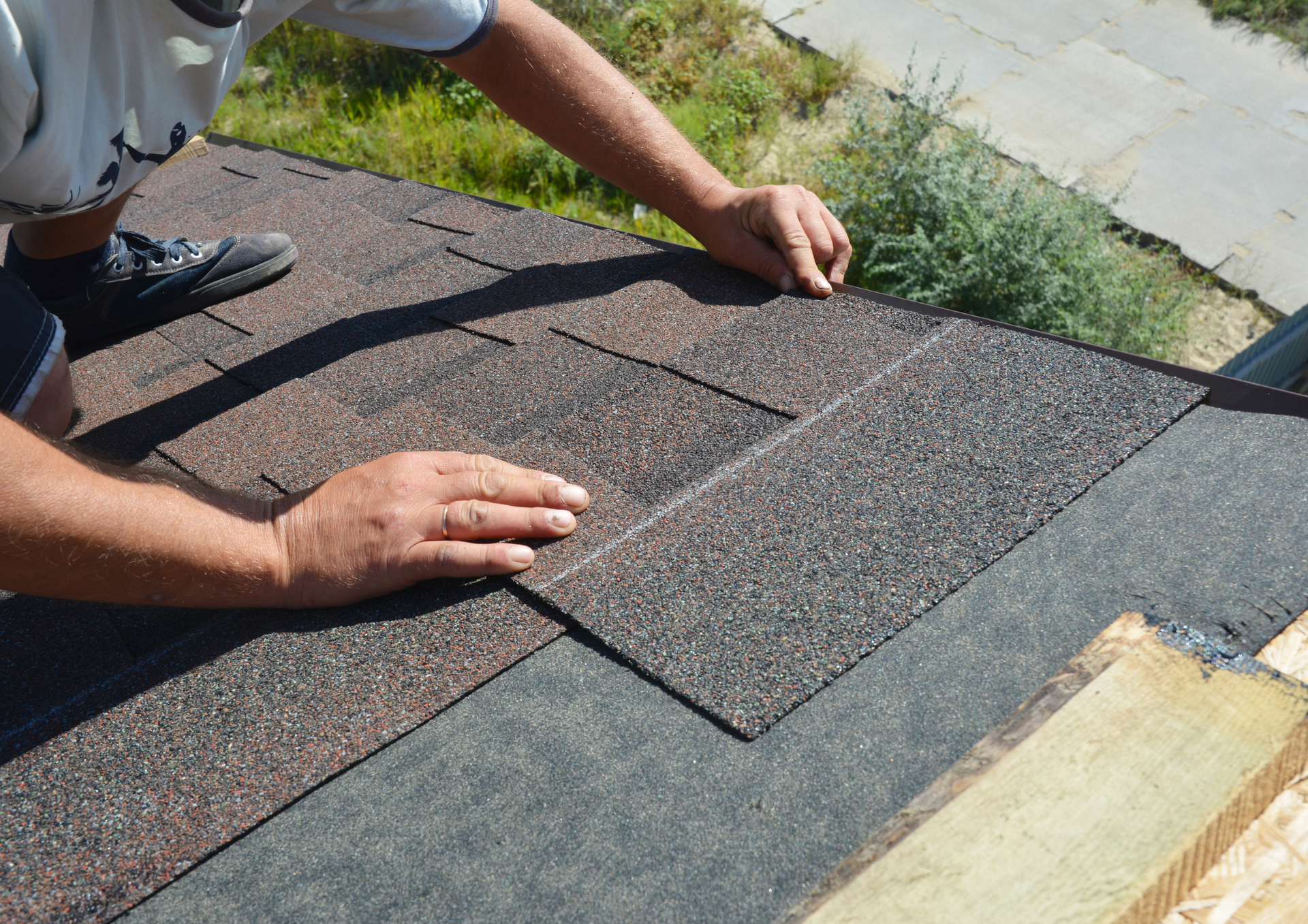
Routine maintenance allows property owners and managers to take a planned approach rather than waiting for an obvious problem. During an inspection, attention can be given to areas that are particularly vulnerable to wear, including roof junctions, valleys, ridges, chimney surrounds and sections where different materials meet.
For Brighton properties, location can influence the type of maintenance required. Buildings close to the coast may experience different conditions from properties in more sheltered inland areas. Exposed roofs can be particularly vulnerable to wind-driven rain, while older buildings may contain traditional materials that require a more considered approach to maintenance.
Residential properties can benefit from regular checks because even a relatively small defect may eventually affect loft spaces, ceilings or internal finishes. Landlords also have an interest in keeping roofing systems in manageable condition, particularly where a property is occupied and maintenance needs to be organised with minimal disruption.
Commercial buildings present different considerations. Their roofs may cover larger areas, contain additional drainage points or include equipment and penetrations that require monitoring. Flat roofing systems can also require attention to outlets, seams and areas where standing water has developed.
Surveyors and local authorities may oversee multiple properties rather than a single building. In these circumstances, a structured maintenance programme can make it easier to record roof condition, identify priorities and plan appropriate work across a wider property portfolio.
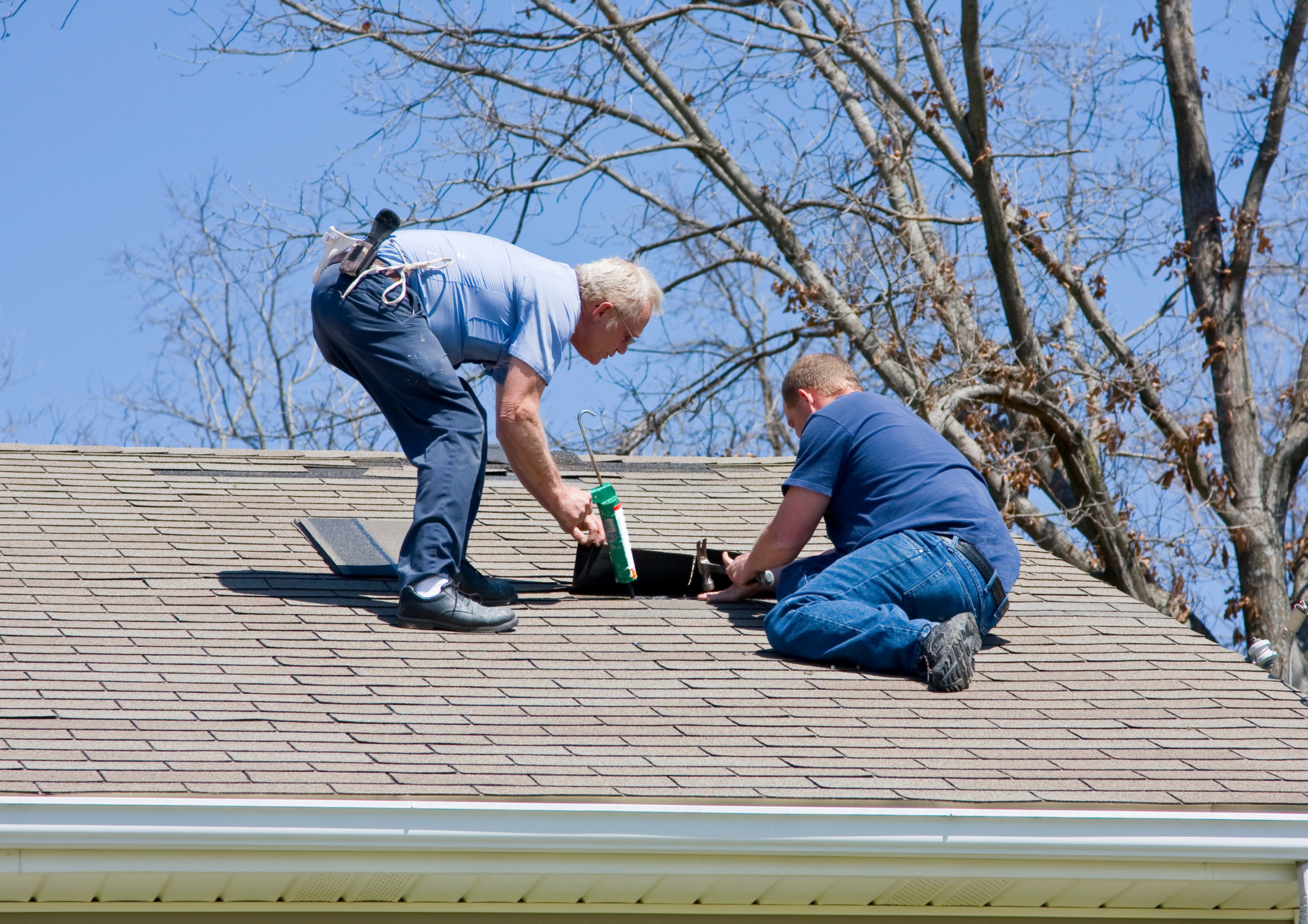
When a particular defect has already become apparent, searching for roof repair near me may help property owners find appropriate assistance for assessing the affected section and determining what work is required. Prompt assessment can be particularly useful where slipped materials, damaged flashing or another visible issue could allow further deterioration if left unattended.
Routine maintenance does not mean that repairs will never be necessary. Instead, it provides a better opportunity to identify developing concerns at a manageable stage and make informed decisions about the condition of the roof.
Areas That Should Be Included in Routine Roof Checks
A roof is made up of several interconnected components, and effective maintenance should consider more than the main surface covering. A problem with drainage, flashing or roofline components can sometimes affect an otherwise sound roofing system.
Important areas to consider include:
- Tiles and slates: Individual tiles or slates can become cracked, loose or displaced following periods of strong wind or prolonged exposure. Missing materials can leave the underlying structure more vulnerable to moisture.
- Ridges and hips: These prominent sections are exposed to weather and should be checked for loose components, deterioration and visible movement.
- Flashing: Areas around chimneys, roof junctions, walls, skylights and other penetrations rely on correctly positioned flashing to help direct water away from vulnerable joints.
- Valleys: Roof valleys carry considerable amounts of rainwater. Leaves, moss and other material can restrict drainage and allow water to collect where it should normally flow freely.
- Gutters and downpipes: Roof drainage should be kept clear so rainwater can move away from the building effectively. Blockages can cause overflowing water to affect fascia boards, walls and surrounding surfaces.
- Chimneys: Where present, chimney stacks should be observed for signs of deteriorating mortar, damaged flashing or loose components.
- Flat roof sections: These areas should be monitored for damaged surfaces, open seams, bubbling, cracks and persistent standing water.
- Fascias and soffits: Roofline components can show signs of deterioration that may indicate prolonged exposure to moisture or problems with nearby drainage.
- Internal roof spaces: Where safely accessible, lofts can sometimes reveal early signs of moisture, staining, daylight through gaps or unusual condensation.
- Roof penetrations: Vents, skylights and other fittings create junctions within the roofing system. Their surrounding seals and flashing should remain in suitable condition.
The exact inspection requirements will depend on the type of building. A small pitched roof on a residential property requires a different approach from a large commercial flat roof, while older buildings may have construction details that require specialist knowledge.
The roofing material itself also influences maintenance. Tiles, natural slate, membranes and sheet materials each have their own characteristics. Property owners considering metal roofing near me should therefore look for professionals familiar with assessing joints, fixings, coatings, corrosion and drainage arrangements associated with metal systems.
Safety should remain an important consideration throughout routine maintenance. Property owners can make useful observations from ground level or from accessible internal spaces, but climbing onto a roof without suitable equipment and knowledge can create unnecessary risk. Areas that cannot be inspected safely should be left to appropriately equipped professionals.
Signs That a Roof May Need Professional Attention
Routine roof care is easier when property owners know which changes deserve closer attention. Some problems are immediately obvious, while others initially appear minor but can indicate deterioration elsewhere in the roofing system.
Signs worth investigating include:
- Missing or displaced materials: Tiles or slates found on the ground after windy weather can indicate that part of the roof covering has moved.
- Water marks indoors: Staining on ceilings, walls or within loft spaces may indicate moisture entering the building, although the visible stain may not be directly beneath the external defect.
- Repeated gutter overflow: Persistent overflowing despite routine cleaning may indicate inadequate drainage, an obstruction or an issue with the alignment of the system.
- Visible roof movement: Sections that appear uneven, dipped or noticeably different from surrounding areas should be assessed rather than ignored.
- Damaged flashing: Lifted, cracked or poorly positioned flashing can affect vulnerable junctions around chimneys, walls and roof penetrations.
- Excessive moss growth: Moss does not automatically mean a roof requires major work, but substantial growth can hold moisture and make it more difficult to inspect the underlying surface.
- Loose ridge components: Movement along ridge or hip areas should be investigated, particularly after periods of strong weather.
- Persistent dampness: Moisture within loft spaces can have several causes, including roofing defects, ventilation issues and condensation. Correct identification is important before work begins.
- Debris collecting on flat roofs: Leaves and other materials can obstruct outlets and encourage standing water, particularly during periods of heavy rainfall.
- Changes following severe weather: Strong winds and prolonged rain can expose weaknesses that were not previously noticeable.
Not every visible change means that extensive work is required. In many cases, the purpose of an assessment is to establish what has happened and determine an appropriate response. A small isolated defect may require limited attention, whereas widespread deterioration could indicate that broader maintenance should be considered.
Photographs can also be useful for ongoing property management. Taking periodic images from the same safe viewpoint can help owners, landlords and property managers compare the roof's appearance over time. This can make gradual changes easier to recognise.
After unusually severe weather, additional observations may be worthwhile. Brighton's exposed coastal position means that strong winds can place additional pressure on roof coverings and exposed details. Similar considerations apply to properties in any area where buildings regularly experience challenging weather conditions.
Planning Roof Care and Choosing Suitable Local Support
A practical maintenance plan does not need to be complicated. The objective is to establish a consistent approach that considers the age, material, exposure and condition of the roof.
Property owners should consider the building as a whole rather than focusing solely on individual roofing materials. Rainwater needs a clear route from the roof surface into gutters, through downpipes and away from the property. Roof junctions need to remain appropriately sealed, while damaged or displaced components should be addressed when identified.
Seasonal changes provide useful opportunities for visual checks. Autumn can bring falling leaves and blocked drainage, while winter may expose roofs to prolonged rain, frost and strong winds. Spring can be a suitable time to assess how the structure has performed through colder months, and summer conditions can make certain planned maintenance activities easier to arrange.
When comparing local roofing companies, property owners should consider whether a provider has relevant experience with the type of roof involved. Clear communication is also important. A professional assessment should help the customer understand the condition of the roof, which areas require attention and what work is being recommended.
For landlords and organisations responsible for several properties, maintenance records can be particularly valuable. Recording inspection dates, previous work, recurring issues and areas requiring future attention can help create a clearer history for each building.
Surveyors may also use maintenance information alongside wider property assessments. A record showing when particular roofing components were checked or repaired can provide useful context when reviewing the current condition of a building.
Local authorities and commercial property managers often have additional considerations because work may need to be planned around occupants, public access or normal business operations. Identifying maintenance requirements early can provide more flexibility when organising suitable access and scheduling work.
Homeowners can adopt the same planned approach on a smaller scale. Keeping gutters clear, observing the roof after severe weather and responding to unusual changes can all contribute to better long-term care.
Finding roofing near me can also provide access to professionals who understand the building styles and environmental conditions commonly found within the surrounding area. In Brighton, this may include experience with older terraced properties, converted buildings, commercial premises and homes exposed to coastal weather.
The important point is to choose support based on the needs of the property rather than waiting until deterioration becomes difficult to overlook. Regular attention can provide a clearer understanding of roof condition and help property owners decide when maintenance is appropriate.
Local Roofing Brighton provides practical roofing support for homeowners, landlords, surveyors, local authorities and those responsible for residential or commercial properties. We understand that effective roof maintenance begins with identifying the condition of the existing system and considering the individual requirements of the building.
Our approach focuses on clear communication and careful assessment. Rather than assuming that every roofing concern requires extensive work, we consider the visible condition of the roof, its materials, drainage arrangements, vulnerable junctions and any signs of deterioration before discussing suitable next steps.
Our knowledge of properties in Brighton also helps us understand the challenges associated with coastal weather, exposed locations and the varied building styles found throughout the area. At the same time, the principles we follow are relevant to responsible roof care in any location.
For anyone searching for roofing near me, our aim is to provide straightforward guidance and practical assistance that helps make ongoing roof care easier to understand and manage.
Check out our latest X update on choosing
Roofing Near Me for routine roof care and essential maintenance tips.
You might also like