Roofing Advice for Choosing Suitable Roof Materials Properly
Selecting the right materials is one of the most important decisions for maintaining and protecting residential and commercial properties. Roofing systems play a major role in shielding buildings from changing weather conditions, supporting structural durability, and improving the overall appearance of a property. Different materials offer different advantages, which means choosing suitable options depends on several practical considerations rather than appearance alone.
Understanding How Different Roofing Materials Perform
Different roof materials are designed to suit different structural, environmental, and visual requirements. Slate remains a popular option for traditional and period properties because of its natural appearance and long lifespan, while clay and concrete tiles are widely used for their durability and weather resistance.
Metal systems have also become increasingly popular for residential and commercial buildings due to their modern appearance, strength, and lower maintenance requirements. Some property owners may also compare metal roof cost when assessing long-term value and durability. Flat roof systems are commonly installed on garages, extensions, apartment buildings, and commercial premises using materials such as felt, EPDM rubber, and GRP fibreglass.
Material performance can also be affected by ventilation, drainage, installation quality, and environmental exposure. Coastal areas, locations with heavy rainfall, and properties exposed to strong winds may require more durable solutions capable of handling changing weather conditions over the long term.
Factors That Influence Roofing Material Selection
Selecting roofing materials is rarely a one-size-fits-all decision. Every property has its own characteristics that influence which option will perform best, and balancing performance with cost is often central to the planning process. The points below outline the main factors property owners should weigh before committing to a material.
- Age, size, structure, and purpose of the building all shape material requirements
- Structural compatibility determines which materials the building can safely support
- Older buildings often suit lighter or more traditional materials
- Modern properties typically benefit from systems designed for reduced maintenance and long-term performance
- Appearance and architectural style should align with the chosen material
Budget and Practical Considerations
- Roof replacement cost is a common starting point for owners seeking durability and affordability
- Installation complexity can significantly affect overall expense
- Accessibility of the roof influences both initial cost and future maintenance
- Insulation performance contributes to long-term energy efficiency and savings
Performance and Environmental Factors
- Weather exposure and local climate affect material longevity
- Drainage design and efficiency help prevent water-related damage
- Noise levels during rain or hail may matter for occupant comfort
- Environmental conditions should be matched to the material's strengths to ensure lasting suitability
Common Roofing Problems Linked to Unsuitable Materials
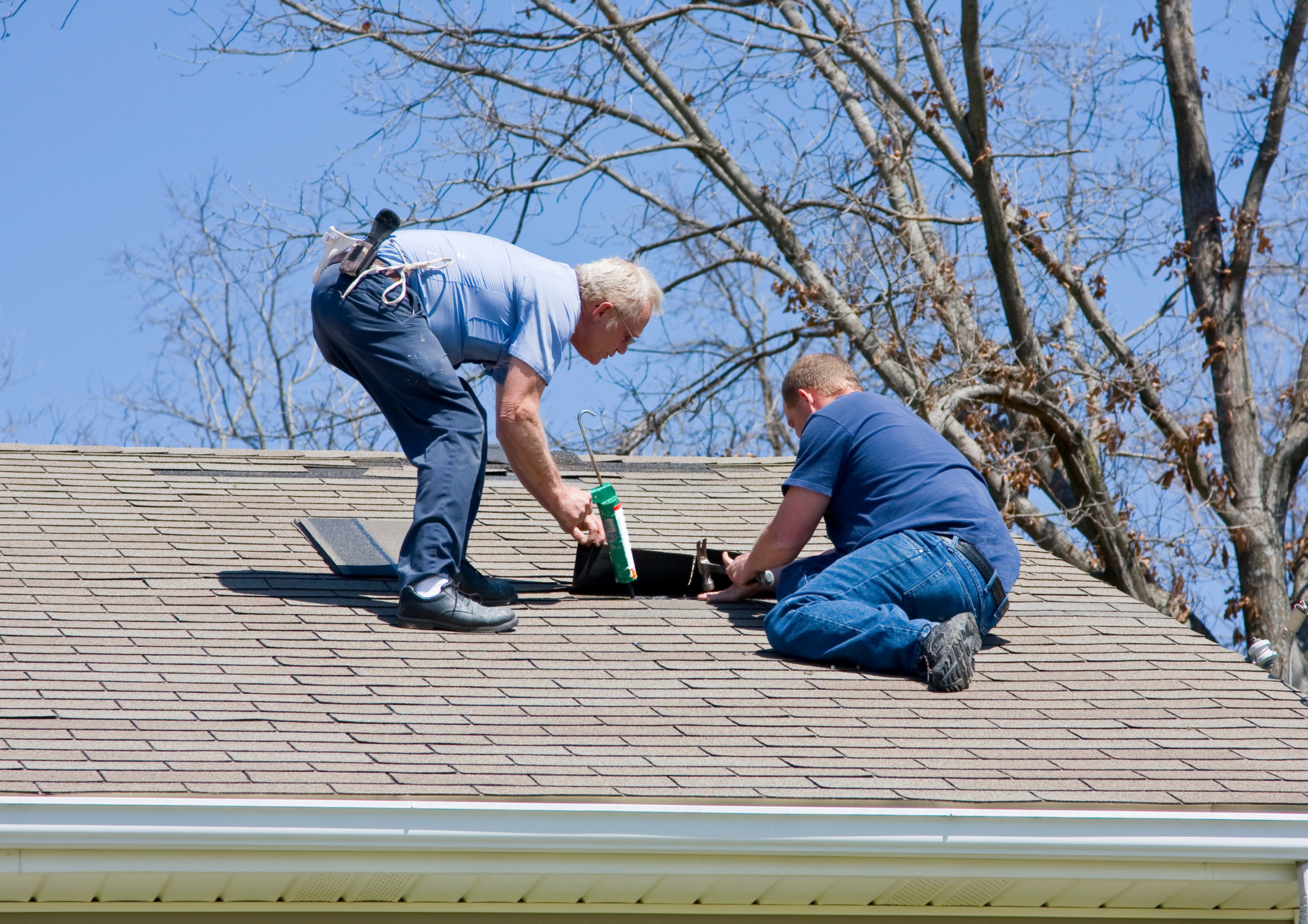
Unsuitable roof materials can lead to long-term problems that affect both property conditions and ongoing maintenance requirements. Poor drainage compatibility, incorrect installation methods, and exposure to harsh weather conditions can all increase the risk of leaks, moisture penetration, cracked tiles, corrosion, and gradual material deterioration over time.
Many property owners compare different roofing companies when looking for practical solutions that suit the structure, environment, and long-term performance needs of their property. Ventilation and material compatibility also play an important role in long-term performance. Poor airflow within roof spaces can contribute to condensation, dampness, and reduced insulation efficiency, while inconsistent materials may make future maintenance more difficult.
Many property owners begin searching for roof repair near me after noticing leaks, slipped tiles, sagging rooflines, or internal damp patches. In many cases, recurring problems may indicate that the original materials or installation methods were unsuitable for the property or surrounding environment.
Planning Long-Term Roofing Improvements Successfully
Roof improvements often require careful planning, particularly for larger residential buildings, commercial premises, apartment complexes, and public-sector properties. Professional inspections can help identify structural concerns, drainage issues, ventilation problems, and material deterioration before major work begins.
Understanding the expected lifespan of different materials also helps property owners make more informed long-term decisions when balancing installation costs, durability, and future maintenance requirements for long-term roofing performance. Project complexity may also be influenced by accessibility, roof design, and environmental considerations.
Buildings with steep rooflines or restricted access may require additional planning and specialised equipment during installation or maintenance work. Sustainable materials, improved energy performance, and reduced environmental impact are also becoming more important within modern property developments. Regular inspections of gutters, flashing, chimneys, and drainage systems remain essential for helping to prevent avoidable deterioration and supporting long-term roof performance.
Local Roofing Brighton
provides professional support for residential and commercial
roofing
projects with a strong focus on practical advice, dependable workmanship, and clear communication throughout every stage of the process. Our team understands that every property has different requirements depending on age, structure, location, and environmental exposure.
We take the time to assess systems carefully and provide guidance designed to help property owners make informed decisions based on long-term suitability rather than short-term convenience.
New Update on X:
Roofing advice for choosing suitable roof materials properly.
You might also like