Roofer for Extension Roofing Projects on Residential Buildings
Adding an extension is one of the most effective ways to increase living or working space, but the success of the project depends heavily on the roof. In Brighton, where properties range from period terraces to contemporary builds, extension roofing must blend with existing structures while meeting structural and weather resistance standards. For homeowners, landlords, surveyors, and local authorities managing residential and commercial properties, thoughtful planning is essential.
An experienced roofer plays a key role in ensuring that new roofing integrates correctly with the original structure. From pitch alignment to material selection, every element must be carefully considered to achieve long-term durability and visual consistency.
Matching Extension Roofs to Existing Structures
One of the most important aspects of extension roofing is ensuring compatibility with the original building. Roof pitch, drainage direction, and material type must align to avoid weak junctions or uneven load distribution. Poor integration can lead to water ingress where new and existing sections meet.
Many property owners begin their search with roofers near me when planning an extension, seeking local expertise and familiarity with area-specific building styles. In Brighton’s coastal climate, appropriate detailing around flashing and joints is particularly important to maintain resilience against wind-driven rain.
A skilled roofer will assess the structural capacity of the existing roof before connecting the extension, ensuring that added weight does not compromise long-term stability.
Choosing Materials for Performance and Longevity
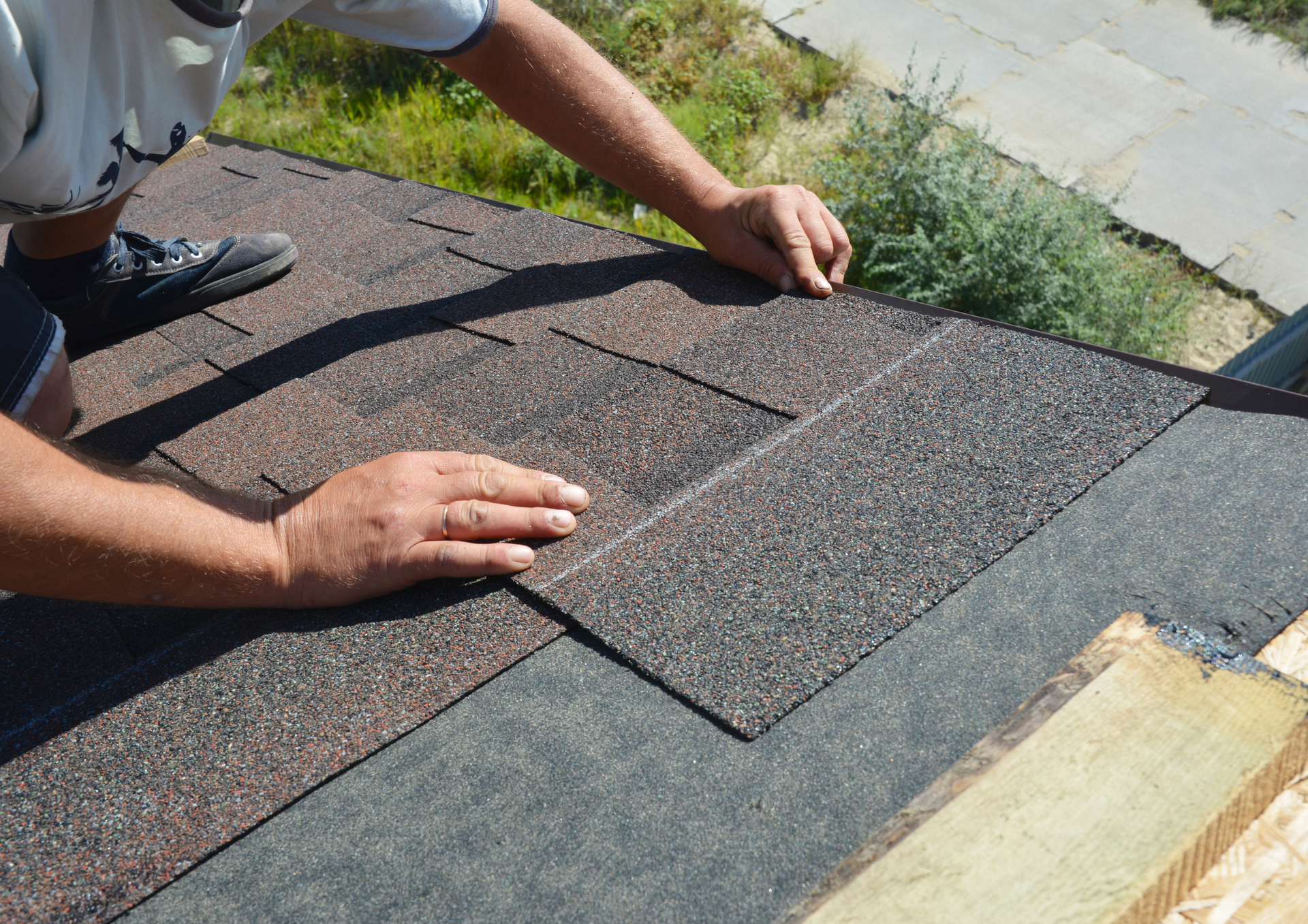
Material selection influences both appearance and performance. Traditional tiles may suit older properties, while modern materials offer lightweight alternatives for contemporary designs. Each option carries different durability characteristics and installation requirements.
Some property owners compare options by researching metal roof cost, particularly when considering lightweight or low-maintenance solutions. While cost is an important factor, material suitability and structural compatibility should guide final decisions.
Professional advice from established roofing companies ensures that chosen materials meet practical requirements as well as aesthetic expectations.
Ensuring Proper Drainage and Ventilation
Extension roofs must incorporate effective drainage to prevent water accumulation at junction points. Incorrect gutter positioning or inadequate slope can result in standing water, placing strain on materials and increasing the likelihood of leaks.
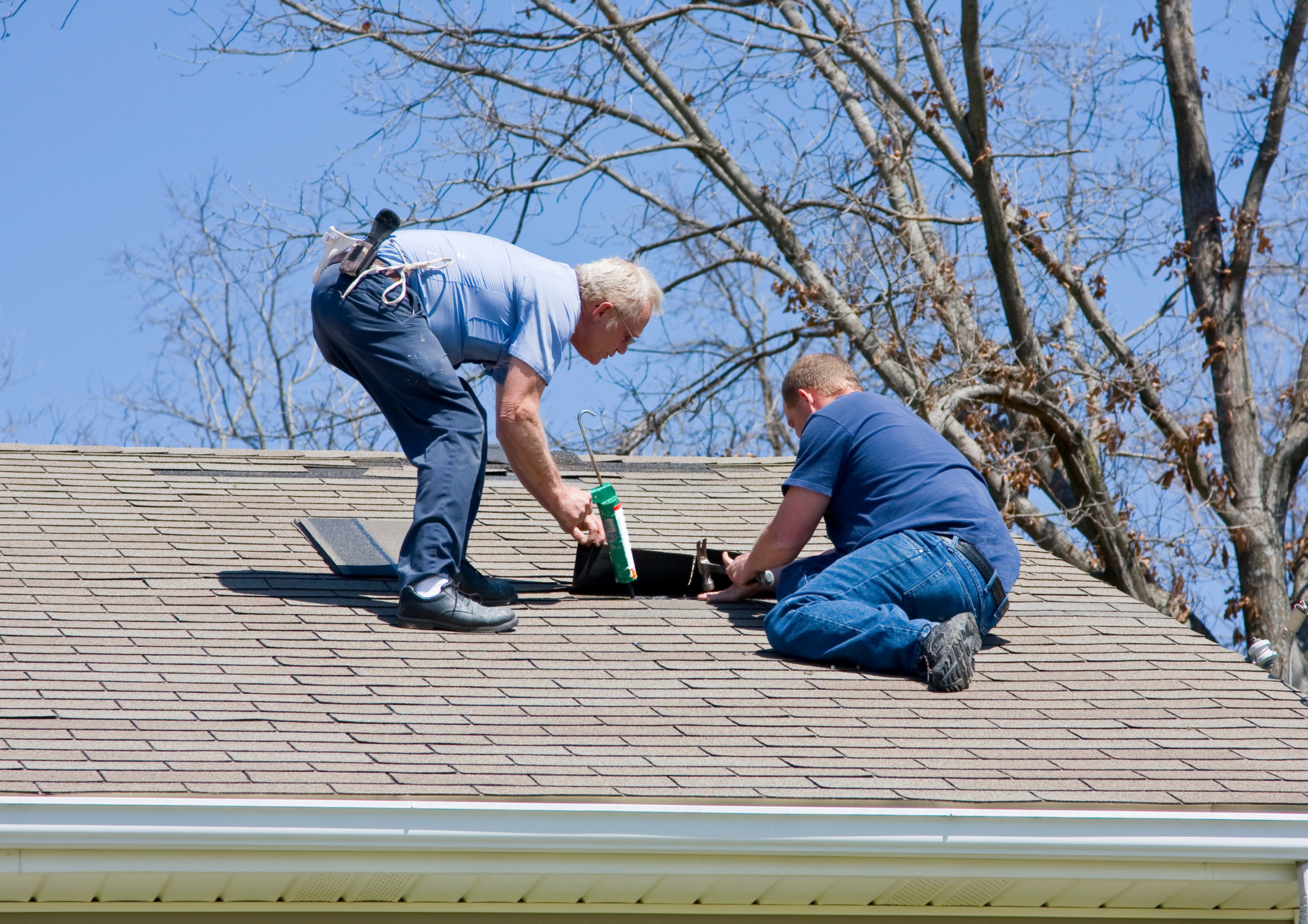
Ventilation is equally important. Without adequate airflow, moisture can build up beneath the roof covering, weakening timber components over time. Addressing these considerations during installation reduces the need for future roof repairs and supports long-term structural performance.
An experienced roofer ensures that drainage pathways, ventilation points, and flashing details are carefully integrated into the overall design.
Planning for Future Maintenance and Access
Extension roofing should be designed with maintenance in mind. Access routes for inspection, cleaning, and minor adjustments should be considered during the planning stage. Overlooking these aspects can make future maintenance more complex and disruptive.
Local Roofing Brighton provides practical, detail-focused support for extension roofing projects across the area. With experience of Brighton’s varied property styles and coastal climate, we offer clear assessments and carefully planned installations tailored to each project. Our approach supports homeowners, landlords, surveyors, and organisations in achieving durable, well-integrated extension roofs designed for long-term performance.
Just out on X: Experienced
roofer support for home extension roofing.
You might also like