Local Roofer Support for Pitched Roof Repair and Maintenance
Pitched roofs remain one of the most widely used roofing systems across residential and commercial properties due to their durability, effective drainage, and long-term practicality. Over time, however, even well-constructed roofs can develop issues caused by weather exposure, ageing materials, structural movement, and general wear.
Cracked tiles, slipped slates, damaged flashing, and weakened roof structures may all contribute to gradual deterioration when maintenance is delayed. A professional roofer can help identify these problems early and carry out suitable repairs to support the long-term condition of the property.
Property owners often overlook small roofing concerns because early signs of damage may appear minor from ground level. Damp patches, loose materials, water ingress around roof edges, and blocked drainage systems can slowly worsen without immediate attention.
Maintaining a roof properly not only helps preserve the condition of the building itself but also reduces the likelihood of more extensive repair work developing later. For homeowners, landlords, surveyors, and local authorities managing residential and commercial properties, organised roof maintenance remains an important part of long-term property care.
Understanding how pitched roof systems function and recognising the common causes of deterioration can help property owners make informed decisions when arranging maintenance or repairs through a professional roofer.
Understanding Common Problems Affecting Pitched Roof Structures
Pitched roofs are constantly exposed to changing weather conditions throughout the year, including strong winds, prolonged rainfall, frost, and fluctuating temperatures. Over time, these conditions can gradually weaken roofing materials and supporting components.
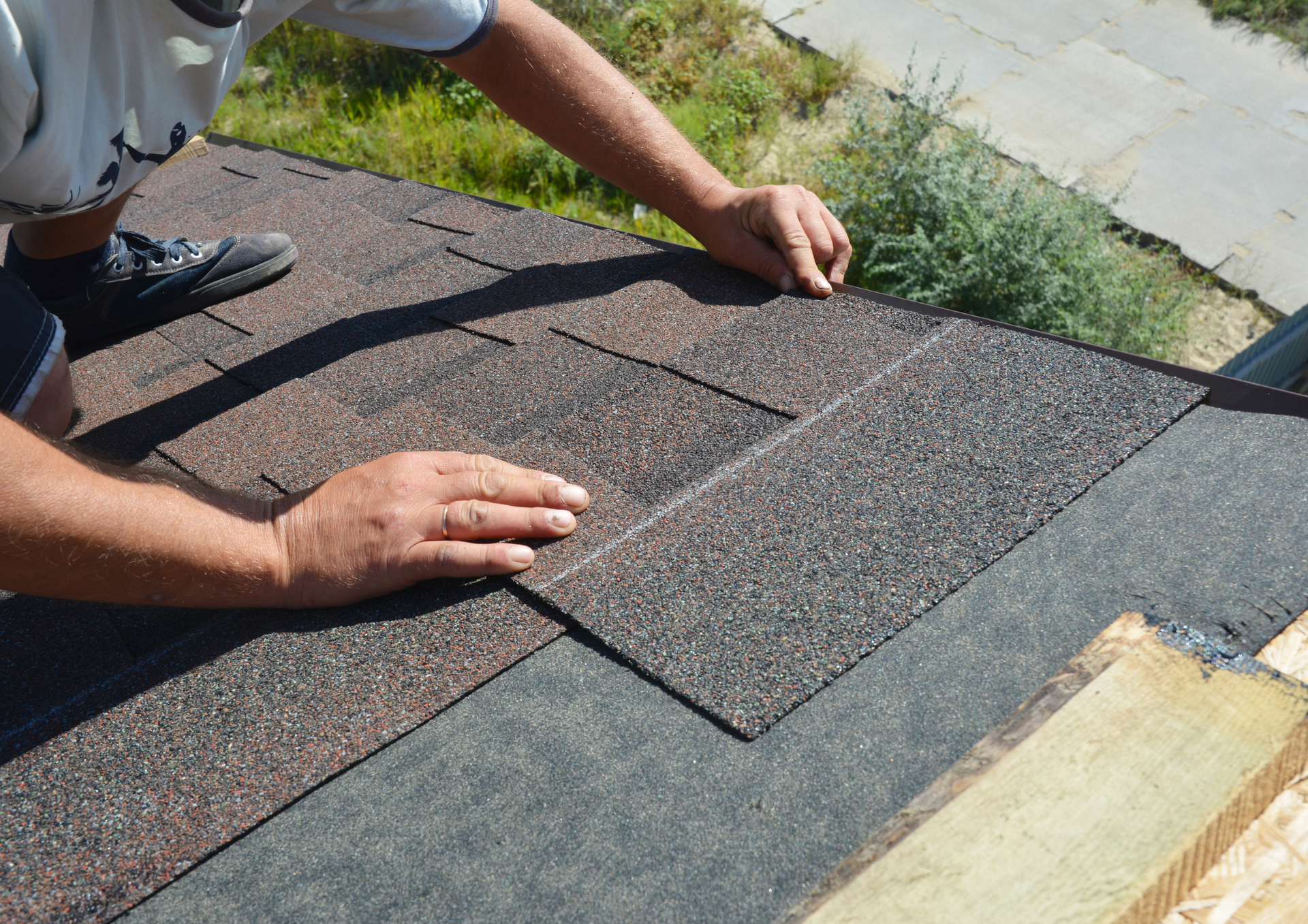
Roof tiles may loosen, mortar can deteriorate, flashing around chimneys or roof joints may begin to lift, and timber structures can develop moisture-related problems where ventilation becomes restricted. A professional roofer can identify these issues early and help maintain the long-term condition and stability of the roof structure.
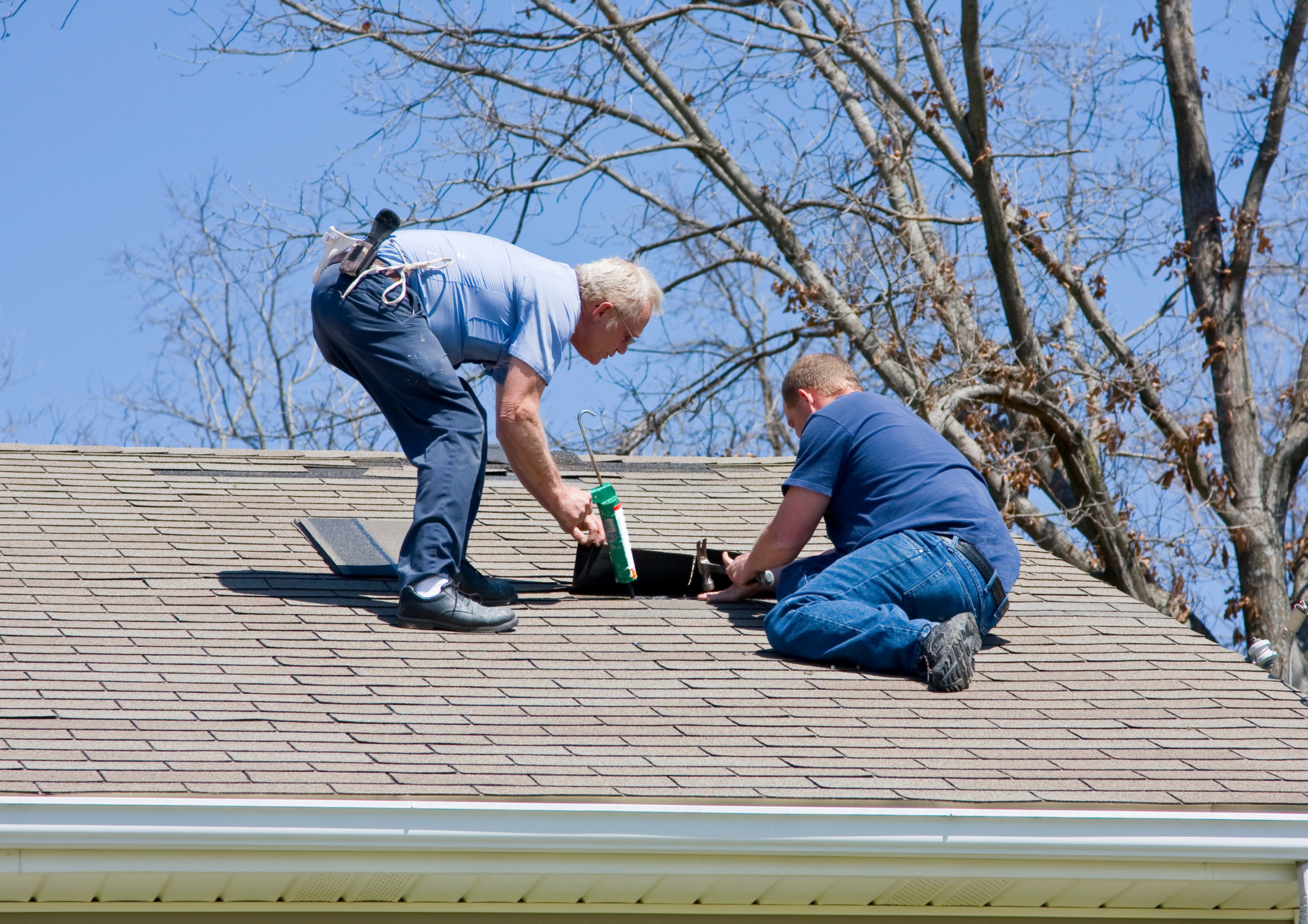
Storm damage is one of the most common reasons property owners require roofing assistance. Heavy winds can displace tiles or slates while falling debris may damage roof coverings or guttering systems. Even relatively minor damage can allow water penetration beneath the surface layer of the roof, leading to internal damp conditions and gradual structural deterioration if left unresolved.
Older buildings can also develop roofing concerns linked to ageing materials and natural settlement. Roof coverings installed decades earlier may eventually become brittle or worn, particularly where previous repairs have been carried out inconsistently over time. In some cases, uneven rooflines or recurring leaks may indicate underlying structural movement requiring further assessment before repairs begin.
Poor drainage can contribute to additional roofing problems. Blocked gutters, overflowing downpipes, and accumulated debris may cause standing water around roof edges and valleys. During colder periods, trapped moisture can freeze and expand, increasing pressure on roofing materials and accelerating deterioration.
Property owners searching online for roof repair near me are often trying to address visible signs of damage before conditions worsen further. Early action generally allows repairs to be completed more efficiently while helping maintain the long-term condition of the property.
Practical Considerations During Roofing Repair Projects
Every roofing project involves different practical considerations depending on the property type, roof structure, access conditions, and the extent of the repair work required. Proper planning helps ensure repairs are completed efficiently while supporting the long-term condition and performance of the roof.
- Property Size and Roof Condition
Some roofing projects only require isolated repairs to damaged materials, while others may involve larger sections of the roof where wear and deterioration have developed over time. The overall condition of the structure often influences the scale and complexity of the work required.
- Access and Safety Arrangements
Safe access remains one of the most important aspects of roofing work. Steep roof pitches, conservatories, neighbouring buildings, restricted access areas, and busy public spaces can all affect how repairs are organised. Careful preparation helps reduce disruption around occupied residential and commercial properties.
- Material Compatibility
Matching replacement tiles, slates, leadwork, and ridge materials with the existing roof structure helps maintain both appearance and long-term performance. Inconsistent materials may affect drainage patterns or place uneven strain on older sections of the roof over time.
- Ventilation and Insulation
Roof repairs often provide an opportunity to assess ventilation and insulation within roof spaces. Poor airflow can contribute to condensation, moisture build-up, and timber deterioration, particularly in older properties where ventilation systems may be limited.
- Project Organisation and Communication
Many property owners comparing roofing companies want reassurance regarding project planning, communication, and workmanship standards. Clear explanations and organised scheduling help clients understand the repair process while supporting a smoother overall project experience.
Long-Term Maintenance and Roof Performance Considerations
Long-term pitched roof maintenance involves more than simply responding to visible leaks or sudden storm damage. Regular inspections and preventative care help reduce gradual deterioration while supporting the overall condition, efficiency, and lifespan of the property. Identifying smaller concerns early can also help minimise disruption and avoid more extensive repair work later.
- Routine Roof Inspections
Scheduled inspections help identify cracked tiles, worn flashing, loose materials, and early signs of structural wear before they develop into larger problems. Ongoing monitoring supports better long-term roof performance across residential and commercial properties.
- Guttering and Drainage Maintenance
Guttering systems should be checked regularly to ensure rainwater drains properly away from the building. Leaves, moss, and debris can restrict water flow, increasing the risk of overflow and moisture penetration around roof edges, walls, and drainage channels.
- Managing Surrounding Vegetation
Tree growth around properties can gradually affect roofing materials over time. Overhanging branches may scrape roof surfaces during strong winds while falling debris can accumulate within gutters and roof valleys. Managing surrounding vegetation helps reduce unnecessary wear throughout the year.
- Monitoring Roof Space Conditions
Timber components within roof spaces should be assessed periodically for signs of condensation, damp conditions, or restricted airflow. Early identification of moisture-related issues helps prevent more serious deterioration affecting loft areas and supporting roof structures.
- Commercial Property Maintenance Planning
For commercial buildings, roofing maintenance often forms part of wider property management responsibilities. Regular inspections help maintain safer working environments while reducing the likelihood of unexpected roofing problems disrupting business operations.
- Professional Guidance and Long-Term Planning
Many property owners searching for roofing contractors are looking for practical advice alongside repair work itself. Clear communication regarding maintenance schedules, material lifespan, and long-term roof care helps support informed property management decisions.
Roofing Solutions for Different Property Types and Roof Designs
Different buildings often require tailored roofing approaches depending on their size, structure, age, and intended use. Residential and commercial properties can present very different roofing challenges, making careful planning and suitable repair methods important for maintaining long-term roof performance.
- Residential and Commercial Roofing Requirements
Homes, apartment buildings, schools, retail premises, offices, and industrial units can all require different roofing solutions based on their layout, usage, and structural design. Repair methods are often influenced by accessibility, drainage arrangements, and the overall condition of the property.
- Slate and Tiled Roof Systems
Traditional pitched roofs commonly use slate or tiled coverings, each with their own maintenance considerations. Slate roofs are often valued for their durability and appearance, while tiled roofs remain popular for their practicality and long service life. Repair approaches may vary depending on the roofing material and the age of the structure.
- Extensions and Multi-Level Roof Areas
Some properties include extensions, dormers, garages, porches, or lower-level roof sections that require separate repair considerations. These areas may involve different drainage systems or specialist materials, making it important to understand how each roof section functions within the wider structure.
- Mixed Roofing Systems
Many commercial and modern properties combine pitched roofing with flat roof repair requirements. Different roofing systems within the same property often require coordinated maintenance to support effective drainage and consistent structural performance across the building.
- Energy Efficiency and Long-Term Durability
Modern roofing projects increasingly focus on insulation improvements, ventilation, and sustainable long-term maintenance planning. Well-maintained roofing systems can help improve comfort, reduce moisture-related problems, and support the long-term condition of the property.
- Professional Roof Assessments
A professional roofer can assess roofing conditions carefully while identifying repair methods suited to the individual needs of the property. Organised maintenance and practical planning remain important for preserving roof structures and supporting long-term building performance.
At
Local Roofing Brighton, we understand the importance of dependable roofing support for both residential and commercial properties. Our approach focuses on practical solutions, clear communication, and organised project management designed to support long-term roof performance across a wide range of property types.
We work with homeowners, landlords, surveyors, and local authorities requiring professional support for pitched roof repairs, maintenance planning, and ongoing roofing care. Every project is approached carefully to ensure roofing systems are assessed thoroughly while suitable repair methods are carried out with attention to detail and long-term durability.
Update on X: Better roof protection with reliable
roofer maintenance.
You might also like