Roofing Considerations Before Installing Solar Panels at Home
Installing solar panels is becoming an increasingly popular way for property owners to generate renewable energy while reducing long-term electricity costs. Before any solar system is fitted, however, careful attention should be given to the condition and suitability of the roof itself. A well-prepared roof provides a stable foundation for solar panels and helps minimise disruption after installation.
Many homeowners, landlords, surveyors, and local authorities understand that solar panels are expected to remain in place for decades. For that reason, assessing the roof beforehand is an important part of planning any installation. Whether the property is residential or commercial, identifying existing defects and understanding the remaining lifespan of the roof can help avoid unnecessary complications later.
Working with experienced roofing professionals before installation allows potential concerns to be identified early. Small defects that may seem insignificant today could become much more difficult to access once solar panels have been installed. Carrying out inspections and any recommended improvements beforehand often proves more practical than removing and reinstalling panels at a later date.
Assessing the Existing Roof Condition
Every roof should be carefully evaluated before supporting the additional weight of a solar panel system. Although modern solar installations are designed to distribute loads efficiently, the existing roof structure must still be capable of supporting the equipment throughout changing weather conditions over many years.
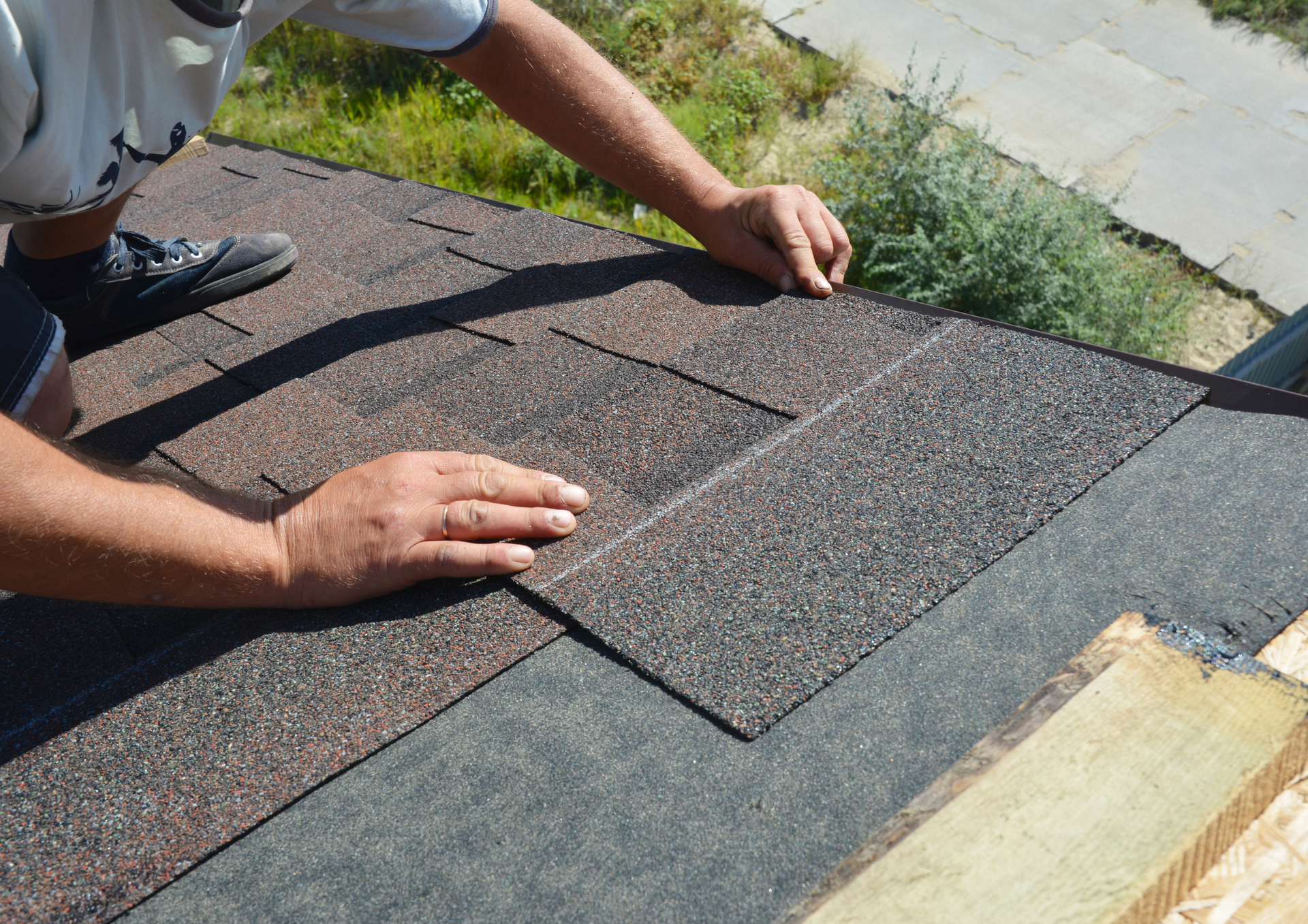
A thorough roofing inspection should begin with the roof covering itself. Missing, cracked, slipped, or deteriorated tiles and slates should be identified before solar panel installation proceeds. Flat roofing systems should also be checked for signs of ponding water, membrane deterioration, blistering, or worn joints. Addressing these roofing issues beforehand helps create a stable and reliable surface capable of supporting the additional weight of the solar installation for years to come.
The supporting roof structure is equally important. Rafters, trusses, battens, and decking should be examined for signs of movement, rot, excessive moisture, or previous structural alterations. Older properties may require additional assessment to confirm that the roof remains suitable for carrying both its existing loads and the proposed solar equipment.
Ventilation also deserves careful consideration. Roof spaces require sufficient airflow to help regulate temperature and reduce moisture accumulation. Installing solar panels should not interfere with existing ventilation pathways, and any necessary adjustments should be incorporated into the installation plan.
Access should also be considered during the inspection process. Future maintenance requirements for both the roof and the solar system should remain practical. Sufficient working space around chimneys, roof windows, valleys, and other roof features allows inspections and maintenance to be carried out safely throughout the lifespan of the installation.
Roof Age, Lifespan and Future Maintenance Planning
The age of the roof often plays a significant role when deciding whether improvements should be completed before installing solar panels. Even if the roof currently appears serviceable, its remaining lifespan should be considered alongside the expected life of the solar system.
Many modern solar panel systems are designed to operate efficiently for twenty-five years or longer. If the existing roof covering is approaching the end of its expected lifespan, replacing or refurbishing it before installation may reduce future disruption and avoid the expense of temporarily removing solar panels to complete roofing work later.
Different roofing materials also have varying life expectancies. Clay tiles, concrete tiles, natural slate, metal roofing systems, and modern flat roofing membranes each perform differently depending on installation quality, weather exposure, maintenance, and age. Understanding the condition of these materials helps support informed decisions during project planning.
Regular maintenance remains important even after solar panels have been installed. Gutters, flashing, valleys, and roof junctions continue to require periodic inspection to ensure water drains effectively from the roof. Keeping these areas in good condition helps maintain both the roofing system and the solar installation.
Property owners searching for roofing companies near me often seek professional inspections before beginning renewable energy projects, allowing any recommended improvements to be completed before solar equipment is fitted.
Choosing Suitable Roofing Materials and Structural Compatibility
Before installing solar panels, it is important to understand how different roofing materials affect the installation process. Each roof type has unique characteristics that influence mounting methods, structural requirements, and long-term performance. Careful planning helps ensure the roof remains secure, weather-resistant, and suitable for supporting the solar system for many years.
Pitched Tiled Roofs
Pitched tiled roofs remain among the most common installation surfaces throughout the UK. Mounting brackets are typically secured to the structural timbers beneath the tiles, allowing panels to be fixed securely while minimising disruption to the roof covering. Careful fitting helps maintain weather resistance around every fixing point.
Natural Slate Roofing
Natural slate roofing requires additional care due to the brittle nature of the material. Experienced roofing professionals often use specialist installation techniques and replacement flashings designed specifically for slate coverings to minimise the risk of damage while preparing the roof for solar panel installation.
Flat Roofs
Flat roofs frequently use ballast-mounted or angled framework systems designed to optimise solar panel positioning while protecting the waterproof membrane below. Structural calculations may be required to confirm the roof can safely accommodate additional loads created by both equipment and wind uplift.
Metal Roofing Systems
Metal roofing systems may require different fixing methods depending on the profile and construction of the roof. Standing seam systems often allow non-penetrating clamps to be fitted, reducing the number of roof penetrations while maintaining structural integrity.
Planning for Future Roof Improvements
If inspections reveal extensive deterioration before installation begins, understanding the likely roof replacement cost can help property owners plan improvements before solar panels are installed, avoiding more complex work in the future.
Preventing Future Problems After Solar Panel Installation
Regular maintenance remains just as important after solar panels have been installed as it is beforehand. Ongoing inspections and routine care help protect both the roof and the solar system, allowing potential issues to be identified early before they become more extensive or costly to address.
Inspect Roof Flashings and Junctions
Flashings around chimneys, roof windows, vents, valleys, and abutments should all be inspected before installation begins. These areas often represent the most vulnerable points where water may eventually penetrate if deterioration has already started.
Keep Drainage Systems Clear
Drainage systems should also remain unobstructed. Leaves, moss, and debris can continue to accumulate around gutters and valleys even after solar panels have been installed. Routine maintenance helps ensure rainwater flows freely away from the building.
Schedule Regular Roof Inspections
Professional inspections remain valuable throughout the life of the installation. Periodic roof assessments help identify worn mortar, displaced tiles, damaged flashings, or early signs of deterioration before they develop into more significant concerns requiring extensive work.
Address Localised Damage Promptly
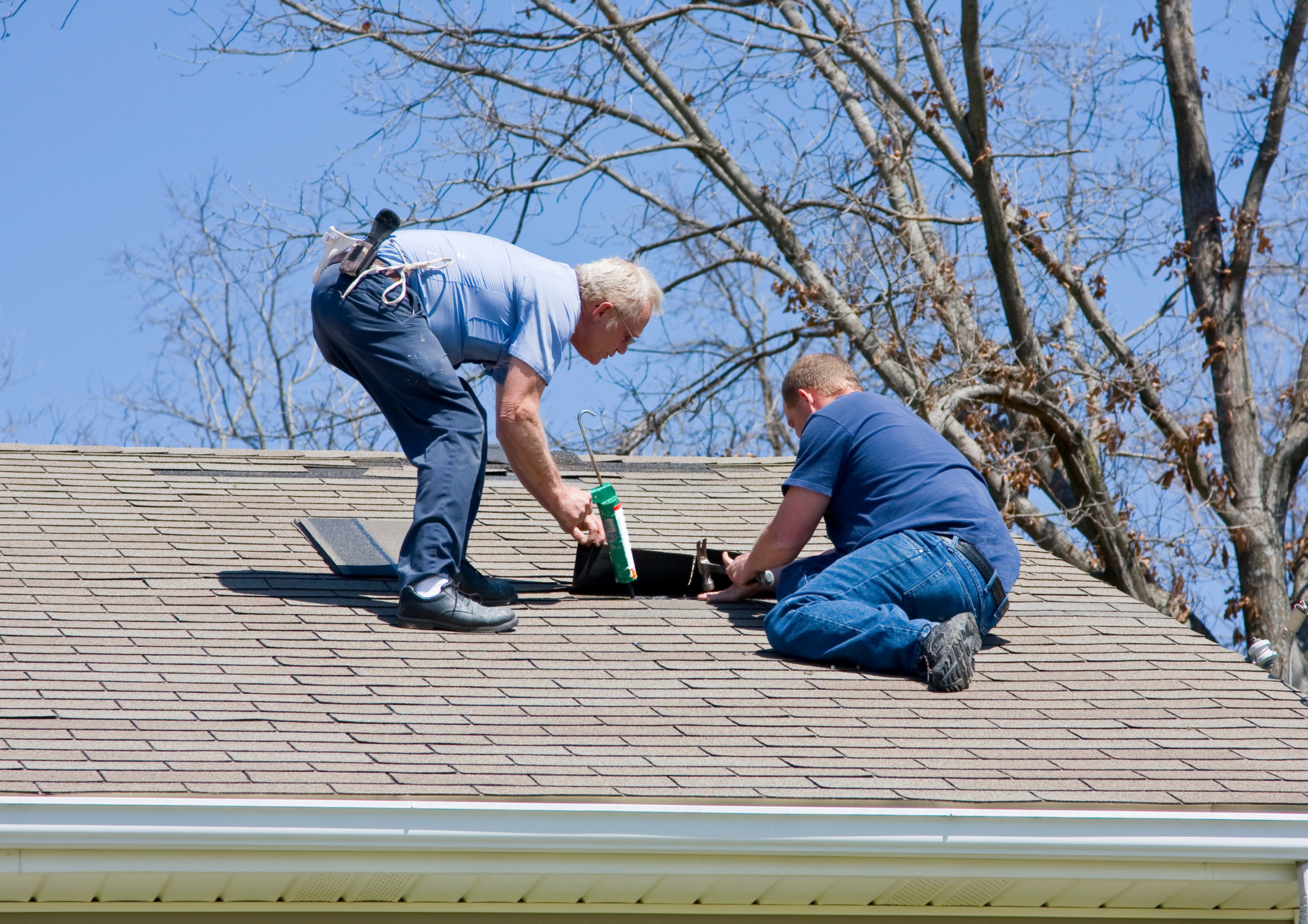
Should defects develop in isolated areas, prompt roof leak repair can often prevent moisture from affecting surrounding roofing components and help preserve the integrity of the roof beneath the solar installation.
Consider Full Roof Replacement When Necessary
Where inspections identify widespread deterioration rather than isolated defects, a complete roof replacement may provide the most practical long-term solution before solar panels are fitted, helping maximise the lifespan of both systems.
At
Local Roofing Brighton, we understand the importance of preparing roofs properly before major improvements such as solar panel installation. Our team carries out thorough roof assessments, identifies potential concerns, and provides practical recommendations that support informed decision-making for residential and commercial properties alike.
We focus on clear communication, dependable workmanship, and long-term roofing solutions that help property owners protect their investment. Whether your roof requires routine maintenance, targeted repairs, or a comprehensive assessment before installing solar panels, we are committed to delivering professional support with attention to detail and a customer-focused approach.
Don't Miss Out on X: Important
roofing checks before fitting solar panels.
You might also like