How Moss and Debris Reduce Roof Longevity in Brighton Homes UK
Moss, algae, and surface debris are common sights on rooftops across Brighton, particularly on older residential streets and coastal-facing buildings. While they may appear to be a minor cosmetic issue, these materials can gradually undermine the performance and lifespan of a roof if left unmanaged. For homeowners, landlords, surveyors, and local authorities responsible for residential and commercial properties, understanding these risks is essential.
A roofer plays an important role in identifying how moss and debris interact with different roofing materials and in explaining why preventative care is critical. Coastal moisture, wind-blown debris, and seasonal temperature changes in Brighton create ideal conditions for organic growth, making routine inspection and maintenance especially valuable.
How Moss Retains Moisture and Damages Roofing Materials
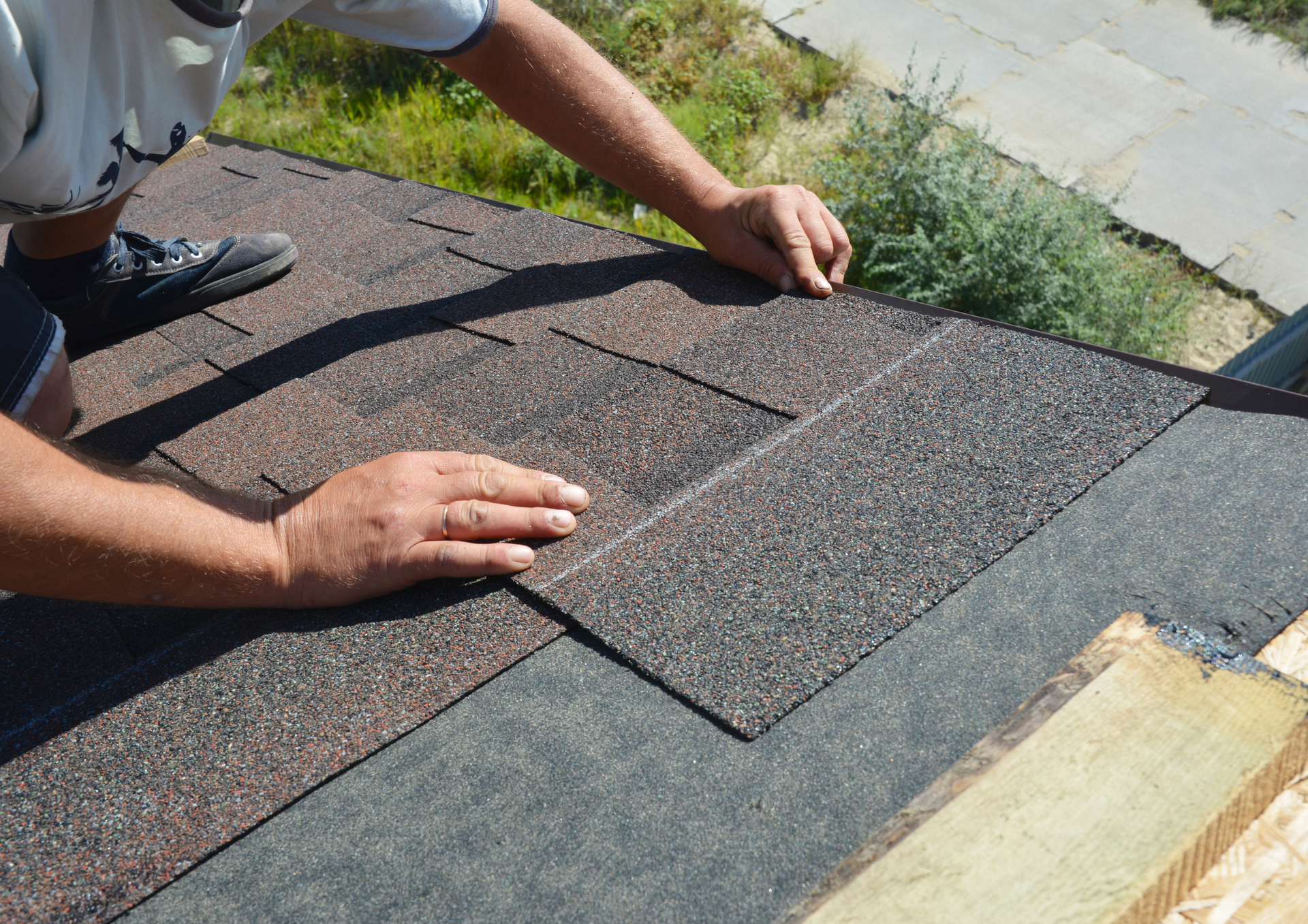
Moss thrives in damp environments, particularly on shaded roof slopes where moisture takes longer to evaporate. Once established, it acts like a sponge, holding water against the roof surface for extended periods. Over time, this persistent moisture accelerates the breakdown of tiles, slates, and protective coatings.
In Brighton, where sea air and rainfall are frequent, retained moisture can also seep into small gaps between tiles. This may not cause immediate leaks, but it gradually weakens fixings and increases the likelihood of cracks during colder months. A roofer will often explain that preventing moisture retention is one of the most effective ways to extend roof longevity without major intervention.
The Impact of Debris on Drainage and Water Flow
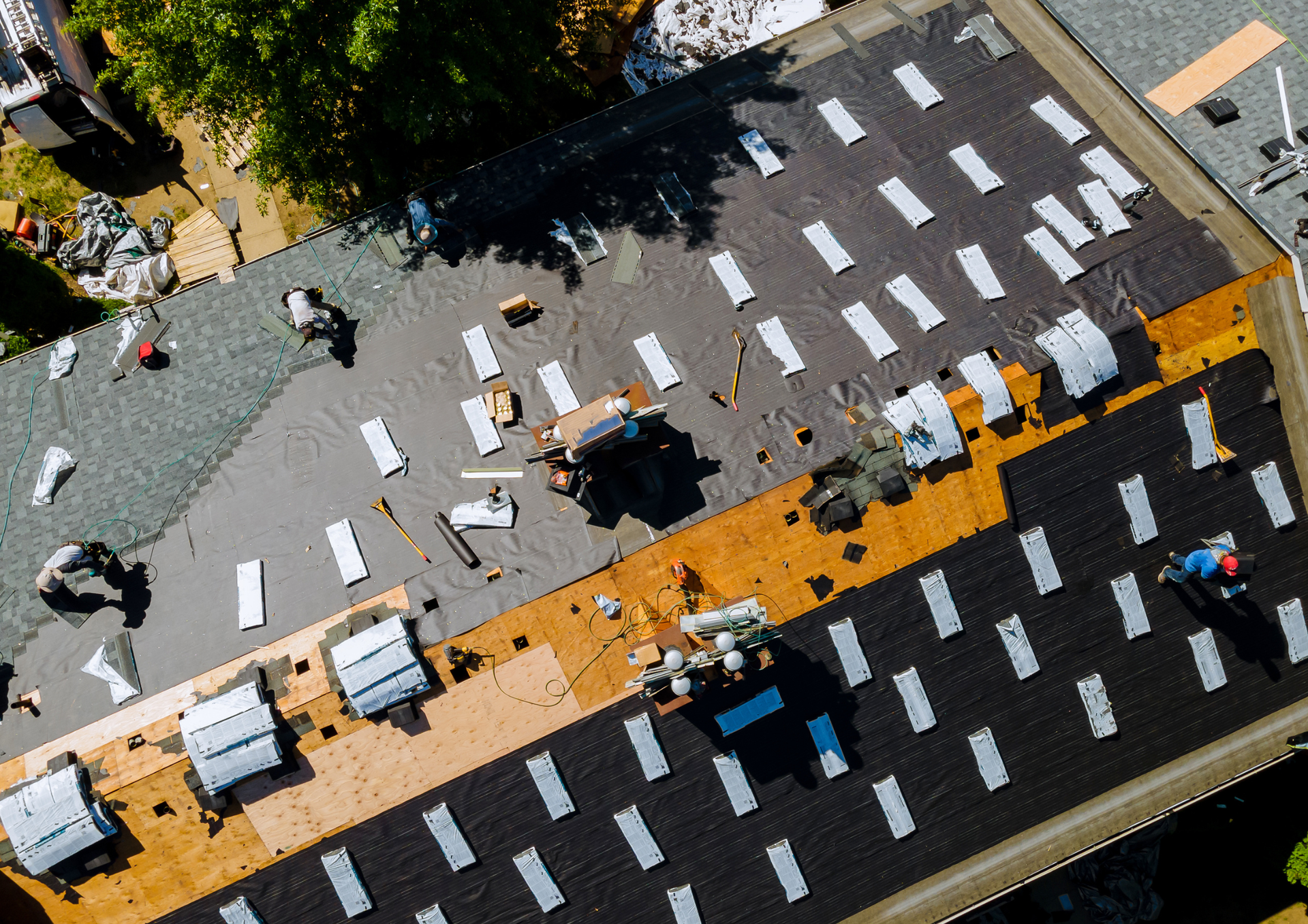
Blocked drainage is a common but often overlooked roofing issue, particularly in areas exposed to wind and seasonal debris. When waste builds up on a roof, it can interfere with normal water flow and increase the risk of long-term damage.
- Leaves, twigs, and wind-blown debris commonly collect in roof valleys, behind chimneys, and along gutter lines.
- Obstructed drainage prevents rainwater from flowing away efficiently, causing it to pool in vulnerable areas.
- Standing water increases pressure on joints and overlaps, accelerating wear on roofing materials.
- This issue is frequently identified by property owners searching for
roofing companies near me, especially after storms or during autumn leaf fall.
- In both residential and commercial properties around Brighton, blocked drainage can lead to gradual saturation of roof coverings and supporting elements.
- Regular debris clearance helps maintain proper water movement and reduces unnecessary strain on the roof structure.
Long-Term Structural Risks of Ignoring Surface Buildup
When moss and debris are left untreated, the effects often extend beyond the roof covering itself. Prolonged damp conditions can affect battens, underlays, and even supporting timbers. These changes are rarely visible from ground level and may only become apparent once internal signs appear.
A roofer assessing long-term risk will look beyond surface growth and consider how moisture travels beneath the roof structure. This broader view helps identify hidden vulnerabilities before they develop into more serious problems.
Guidance from roofers near me often emphasises the importance of early action rather than waiting for visible damage. For landlords and local authorities managing multiple properties in Brighton, addressing surface buildup early supports safer, more predictable building maintenance.
Preventative Maintenance and Timely Intervention
Regular roof maintenance is the most effective way to manage moss and debris before they affect roof longevity. This includes gentle removal methods, inspections after severe weather, and routine checks of drainage points. Preventative care helps avoid unnecessary disruption and reduces the likelihood of reactive repairs, particularly in areas exposed to frequent wind and rainfall.
Property owners searching for roof repair near me often find that many common roofing problems could have been avoided with earlier maintenance and monitoring. Addressing minor issues promptly helps reduce the risk of more disruptive work later.
Advice from roofing contractors near me consistently highlights the value of planned inspections over emergency responses. In Brighton’s coastal environment, regular upkeep supports both the visual condition of a property and the long-term performance of the roof structure.
Local Roofing Brighton offers clear, practical support for maintaining and protecting roofs in the local area. With an understanding of Brighton’s coastal conditions and varied building styles, we focus on preventative care, honest assessments, and long-term solutions. Our approach helps property owners, landlords, and organisations manage moss and debris effectively, reducing avoidable damage and supporting the ongoing performance of their roofs
New update on X: How moss and debris reduce roof longevity in Brighton homes – advice from a
roofer!.
You might also like